


Page 84 - Read Online
P. 84
Page 6 of 18                    Shang et al. Carbon Footprints 2025, 4, 24  https://dx.doi.org/10.20517/cf.2025.28


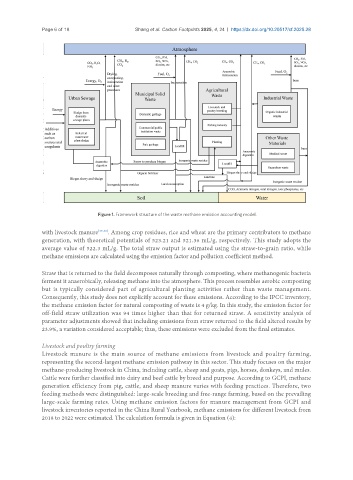
                                  Figure 1. Framework structure of the waste methane emission accounting model.

               with livestock manure [37-40] . Among crop residues, rice and wheat are the primary contributors to methane
               generation, with theoretical potentials of 523.21 and 521.36 mL/g, respectively. This study adopts the
               average value of 522.3 mL/g. The total straw output is estimated using the straw-to-grain ratio, while
               methane emissions are calculated using the emission factor and pollution coefficient method.


               Straw that is returned to the field decomposes naturally through composting, where methanogenic bacteria
               ferment it anaerobically, releasing methane into the atmosphere. This process resembles aerobic composting
               but is typically considered part of agricultural planting activities rather than waste management.
               Consequently, this study does not explicitly account for these emissions. According to the IPCC inventory,
               the methane emission factor for natural composting of waste is 4 g/kg. In this study, the emission factor for
               off-field straw utilization was 94 times higher than that for returned straw. A sensitivity analysis of
               parameter adjustments showed that including emissions from straw returned to the field altered results by
               23.9%, a variation considered acceptable; thus, these emissions were excluded from the final estimates.


               Livestock and poultry farming
               Livestock manure is the main source of methane emissions from livestock and poultry farming,
               representing the second-largest methane emission pathway in this sector. This study focuses on the major
               methane-producing livestock in China, including cattle, sheep and goats, pigs, horses, donkeys, and mules.
               Cattle were further classified into dairy and beef cattle by breed and purpose. According to GCPI, methane
               generation efficiency from pig, cattle, and sheep manure varies with feeding practices. Therefore, two
               feeding methods were distinguished: large-scale breeding and free-range farming, based on the prevailing
               large-scale farming rates. Using methane emission factors for manure management from GCPI and
               livestock inventories reported in the China Rural Yearbook, methane emissions for different livestock from
               2018 to 2022 were estimated. The calculation formula is given in Equation (4):

