


Page 20 - Read Online
P. 20
Nappi et al. Vessel Plus 2021;5:40  https://dx.doi.org/10.20517/2574-1209.2021.06  Page 13 of 20


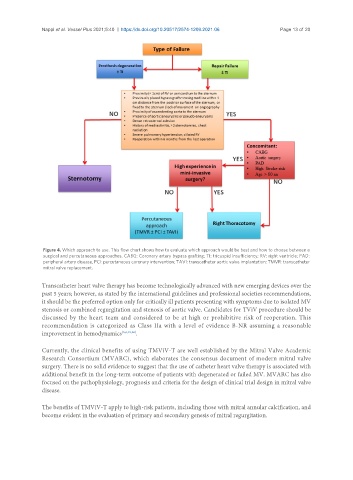
                Figure 4. Which approach to use. This flow chart shows how to evaluate which approach would be best and how to choose between a
                surgical and percutaneous approaches. CABG: Coronary artery bypass grafting; TI: tricuspid insufficiency; RV: right ventricle; PAD:
                peripheral artery disease, PCI: percutaneous coronary intervention; TAVI: transcatheter aortic valve implantation; TMVR: transcatheter
                mitral valve replacement.

               Transcatheter heart valve therapy has become technologically advanced with new emerging devices over the
               past 5 years; however, as stated by the international guidelines and professional societies recommendations,
               it should be the preferred option only for critically ill patients presenting with symptoms due to isolated MV
               stenosis or combined regurgitation and stenosis of aortic valve. Candidates for TViV procedure should be
               discussed by the heart team and considered to be at high or prohibitive risk of reoperation. This
               recommendation is categorized as Class IIa with a level of evidence B-NR assuming a reasonable
               improvement in hemodynamics [5,6,15,26] .


               Currently, the clinical benefits of using TMViV-T are well established by the Mitral Valve Academic
               Research Consortium (MVARC), which elaborates the consensus document of modern mitral valve
               surgery. There is no solid evidence to suggest that the use of catheter heart valve therapy is associated with
               additional benefit in the long-term outcome of patients with degenerated or failed MV. MVARC has also
               focused on the pathophysiology, prognosis and criteria for the design of clinical trial design in mitral valve
               disease.


               The benefits of TMViV-T apply to high-risk patients, including those with mitral annular calcification, and
               become evident in the evaluation of primary and secondary genesis of mitral regurgitation.

