


Page 24 - Read Online
P. 24
Nappi et al. Vessel Plus 2021;5:40  https://dx.doi.org/10.20517/2574-1209.2021.06  Page 15 of 20


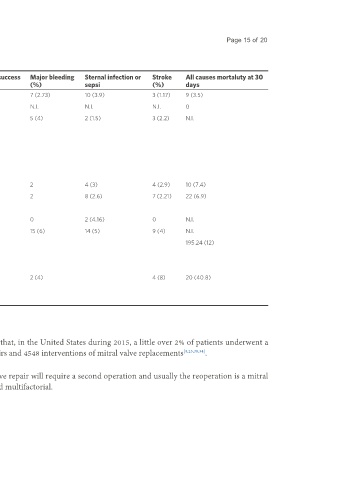
 Table 4. Operative outcomes in surgical approach groups [5,31,36-43]

 Operative mortality   Procedural success   Major bleeding   Sternal infection or   Stroke   All causes mortaluty at 30
 Overall
 (%)  (%)  (%)                sepsi                 (%)         days

 4 institutions within the Northwell Healt System  256  0  201 (78.5)  7 (2.73)  10 (3.9)  3 (1.17)  9 (3.5)
 Single Surgical Team (autors ACA and DHA)  53  0  53  N.I.  N.I.  N.I.  0
 Division of Cardiac Surgery of Maryland School of   130  6 (4.6)  96 (73.8)  5 (4)  2 (1.5)  3 (2.2)  N.I.
 Medicine
 Mayo Clinic Rochester  145  113.1 (78)

 Re-repair  64  1.02 (1.6)
 Replacement  81  3.9 (4.9)

 Michigan Medical Centre  450
 Fibrillatory Arrest  134  0  N.I.  2  4 (3)        4 (2.9)     10 (7.4)

 Beating heart  316  1  N.I.  2  8 (2.6)            7 (2.21)    22 (6.9)
 Pennsylvania Health System  305

 Re-repair  48  0  40 (83.3)  0  2 (4.16)           0           N.I.
 Replacement  257  21 (8)  130 (50.5)  15 (6)  14 (5)  9 (4)    N.I.
 Medicare Provider Analysis and Review  1627  205 (12.6)        195.24 (12)

 Re-repair  285
 Replacement  1332

 A 10-year single-centre experience  49  6 (12)  2 (4.08)  2 (4)  4 (8)  20 (40.8)
 Division of Cardiovascular Surgery, Toronto General   513  46.17 (9)
 Hospital


 N.I.: Not indicated.


 A contemporary analysis of the STS Adult Cardiac Surgery Database revealed that, in the United States during 2015, a little over 2% of patients underwent a
 TMViV-T compared to a total of 12,792 surgical procedure of mitral valve repairs and 4548 interventions of mitral valve replacements [8,25,30,34] .


 Between 4% and 10% of patients comprised who are managed with a mitral valve repair will require a second operation and usually the reoperation is a mitral
 valve replacement. The rationale for this reduced use of re-repair is complex and multifactorial.

