


Page 14 - Read Online
P. 14
Page 135                 Wang et al. J Transl Genet Genom 2023;7:126-40  https://dx.doi.org/10.20517/jtgg.2023.07


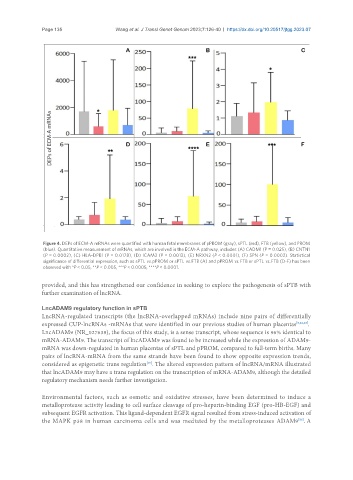
                Figure 4. DEPs of ECM-A mRNAs were quantified with human fetal membranes of pPROM (gray), sPTL (red), FTB (yellow), and PROM
                (blue). Quantitative measurement of mRNAs, which are involved in the ECM-A pathway, includes (A) CADM1 (P = 0.025), (B) CNTN1
                (P = 0.0002), (C) HLA-DPB1 (P = 0.0178), (D) ICAM2 (P = 0.0013), (E) NRXN2 (P < 0.0001), (F) SPN (P = 0.0002). Statistical
                significance of differential expression, such as sPTL vs. pPROM or sPTL vs. FTB (A) and pPROM vs. FTB or sPTL vs. FTB (D-F) has been
                observed with *P < 0.05, **P < 0.005, ***P < 0.0005, ****P < 0.0001.

               provided, and this has strengthened our confidence in seeking to explore the pathogenesis of sPTB with
               further examination of lncRNA.

               LncADAM9 regulatory function in sPTB
               LncRNA-regulated transcripts (the lncRNA-overlapped mRNAs) include nine pairs of differentially
               expressed CUP-lncRNAs -mRNAs that were identified in our previous studies of human placentas [3,22,23] .
               LncADAM9 (NR_027638), the focus of this study, is a sense transcript, whose sequence is 96% identical to
               mRNA-ADAM9. The transcript of lncADAM9 was found to be increased while the expression of ADAM9-
               mRNA was down-regulated in human placentas of sPTL and pPROM, compared to full-term births. Many
               pairs of lncRNA-mRNA from the same strands have been found to show opposite expression trends,
               considered as epigenetic trans regulation . The altered expression pattern of lncRNA/mRNA illustrated
                                                  [35]
               that lncADAM9 may have a trans regulation on the transcription of mRNA-ADAM9, although the detailed
               regulatory mechanism needs further investigation.


               Environmental factors, such as osmotic and oxidative stresses, have been determined to induce a
               metalloprotease activity leading to cell surface cleavage of pro-heparin-binding EGF (pro-HB-EGF) and
               subsequent EGFR activation. This ligand-dependent EGFR signal resulted from stress-induced activation of
                                                                                                      [36]
               the MAPK p38 in human carcinoma cells and was mediated by the metalloproteases ADAM9 . A

