


Page 19 - Read Online
P. 19
Page 12 of 28                                               Cheng et al. Cancer Drug Resist. 2025;8:46


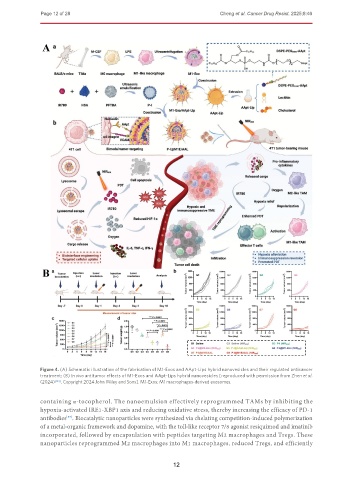
               Figure 4. (A) Schematic illustration of the fabrication of M1-Exos and AApt-Lips hybrid nanovesicles and their regulated anticancer
               treatment; (B) In vivo antitumor effects of M1-Exos and AApt-Lips hybrid nanovesicles [reproduced with permission from Zhen et al.
               (2024) [134] . Copyright 2024 John Wiley and Sons]. M1-Exos: M1 macrophages-derived exosomes.


               containing α-tocopherol. The nanoemulsion effectively reprogrammed TAMs by inhibiting the
               hypoxia-activated IRE1-XBP1 axis and reducing oxidative stress, thereby increasing the efficacy of PD-1
               antibodies . Biocatalytic nanoparticles were synthesized via chelating competition-induced polymerization
                       [57]
               of a metal-organic framework and dopamine, with the toll-like receptor 7/8 agonist resiquimod and imatinib
               incorporated, followed by encapsulation with peptides targeting M2 macrophages and Tregs. These
               nanoparticles reprogrammed M2 macrophages into M1 macrophages, reduced Tregs, and efficiently


                                                           12

