


Page 52 - Read Online
P. 52
Page 12 of 16              Trahanas et al. Vessel Plus 2022;6:49  https://dx.doi.org/10.20517/2574-1209.2021.125


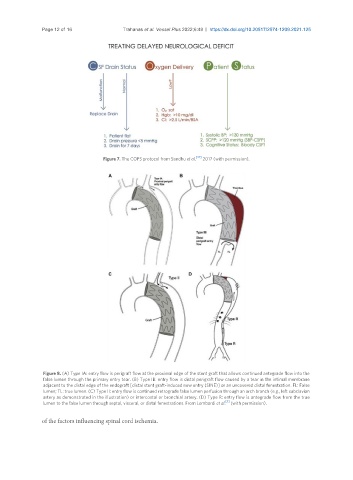
                                    Figure 7. The COPS protocol from Sandhu et al. [47]  2017 (with permission).


                Figure 8. (A) Type IA: entry flow is perigraft flow at the proximal edge of the stent graft that allows continued antegrade flow into the
                false lumen through the primary entry tear. (B) Type IB: entry flow is distal perigraft flow caused by a tear in the intimal membrane
                adjacent to the distal edge of the endograft [distal stent graft-induced new entry (SINE)] or an uncovered distal fenestration. FL: False
                lumen; TL: true lumen. (C) Type II: entry flow is continued retrograde false lumen perfusion through an arch branch (e.g., left subclavian
                artery as demonstrated in the illustration) or intercostal or bronchial artery. (D) Type R: entry flow is antegrade flow from the true
                                                                             [3]
                lumen to the false lumen through septal, visceral, or distal fenestrations. From Lombardi et al.  (with permission).

               of the factors influencing spinal cord ischemia.

