


Page 77 - Read Online
P. 77
Page 8 of 22                                                                                                      Ma et al. Hepatoma Res. 2026;12:43


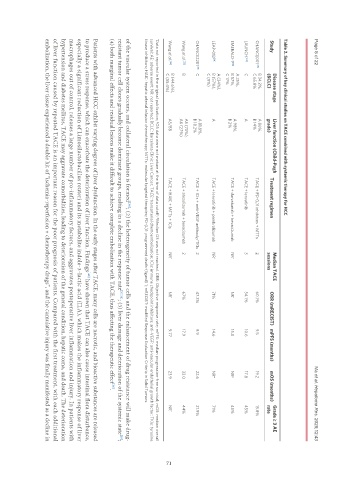
               Table 2. Summary of key clinical studies on TACE combined with systemic therapy for HCC
                           Disease stage   Liver function (Child-Pugh                     Median TACE                                          Grade ≥ 3 AE
               Study                                           Treatment regimen                       ORR (mRECIST) mPFS (months)  mOS (months)
                           (BCLC)          grade)                                         sessions                                             rate
                           B 34.2%,        A 86%,
               CHANCE001 [15]                                  TACE + PD-(L)1 inhibitors + MTTs  2     60.1%        9.5            19.2        15.8%
                           C 65.8%         B 14%
               LAUNCH [34]  C              A                   TACE + lenvatinib          3            54.1%        10.6           17.8        45%
                           A 25%,
               EMERALD-1 [13]  B 57%,      A 98%,              TACE + durvalumab + bevacizumab  NR *   NR *         15.0           NR §        45%
                           C 17%           B 2%
                           A (34%),
               LEAP-012 [14]  B (57%),     A                   TACE + lenvatinib + pembrolizumab  NR *  71%         14.6           NR #        71%
                           C (9%)
                                           A 81.8%,
               CHANCE2201 [16]  C                              TACE + ICIs + anti-VEGF antibody/TKIs 2  47.3%       9.9            22.6        21.9%
                                           B 18.2%
                                           A5 (73%),
               Wang et al. [33]  B                             TACE + atezolizumab + bevacizumab  2    67%          17.9           33.0        44%
                                           A6 (27%)
                           B (44.6%),
               Wang et al. [35]            A5/B8               TACE + HAIC + MTTs + ICIs  NR *         NR *         9.77           23.9        NR *
                           C (55.4%)
               * Data not reported in the original publication;  OS data were not mature at the time of data cutoff;  Median OS was not reached. ORR: Objective response rate; mPFS: median progression-free survival; mOS: median overall
                                            §
                                                                             #
               survival; AE: adverse event; NR: not reported; BCLC: Barcelona Clinic Liver Cancer; TACE: transarterial chemoembolization; ICIs: immune checkpoint inhibitors; anti-VEGF: anti-vascular endothelial growth factor; TKIs: tyrosine
               kinase inhibitors; HAIC: hepatic arterial infusion chemotherapy; MTTs: molecular targeted therapies; PD-(L)1: programmed death-(ligand) 1; mRECIST: modified Response Evaluation Criteria in Solid Tumors.
               of the vascular system occurs, and collateral circulation is formed ; (2) the heterogeneity of tumor cells and the enhancement of drug resistance will make drug-
                                                                        [36]
               resistant tumor cell clones gradually become dominant groups, resulting in a decline in the response rate [37,38] ; (3) liver damage and deterioration of the systemic state ;
                                                                                                                                                         [39]
               (4) both marginal effects and residual lesions make it difficult to achieve complete embolization with TACE, thus affecting the therapeutic effect .
                                                                                                                                       [36]
               Patients with advanced HCC exhibit varying degrees of liver dysfunction. In the early stages after TACE, many cells are necrotic, and bioactive substances are released
               to produce a stress response, which can exacerbate the deterioration of liver function. Findings  have shown that TACE can also cause intestinal flora disturbance,
                                                                                                [40]
               especially a significant reduction of Limosilactobacillus reuteri and its metabolite indole-3-lactic acid (ILA), which makes the inflammatory response of liver
               macrophages out of control, releases a large number of pro-inflammatory factors, and aggravates postoperative liver inflammation and injury. In patients with
               hypertension and diabetes mellitus, TACE may aggravate comorbidities, leading to deterioration of the general condition, hepatic coma, and death. The deterioration
               of liver function caused by repeated TACE is an important reason for the poor prognosis of patients. Compared with the first treatment, with each additional
               embolization, the liver tissue experienced a double hit of “ischemia-reperfusion + chemotherapy drugs”, and the cumulative injury was finally manifested as a decline in

