


Page 13 - Read Online
P. 13
Page 6 of 28                                                Cheng et al. Cancer Drug Resist. 2025;8:46


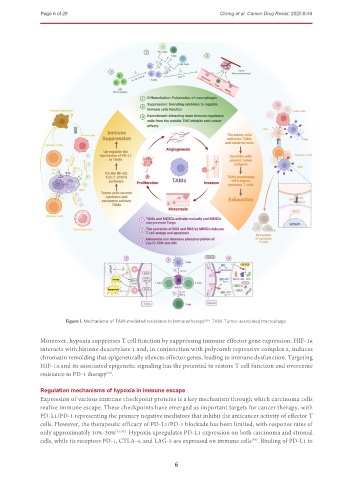
                       Figure 1. Mechanisms of TAM-mediated resistance to immunotherapy [60] . TAM: Tumor-associated macrophage.


               Moreover, hypoxia suppresses T cell function by suppressing immune effector gene expression. HIF-1α
               interacts with histone deacetylase 1 and, in conjunction with polycomb repressive complex 2, induces
               chromatin remolding that epigenetically silences effector genes, leading to immune dysfunction. Targeting
               HIF-1α and its associated epigenetic signaling has the potential to restore T cell function and overcome
               resistance to PD-1 therapy .
                                     [90]

               Regulation mechanisms of hypoxia in immune escape
               Expression of various immune checkpoint proteins is a key mechanism through which carcinoma cells
               realize immune escape. These checkpoints have emerged as important targets for cancer therapy, with
               PD-L1/PD-1 representing the primary negative mediators that inhibit the anticancer activity of effector T
               cells. However, the therapeutic efficacy of PD-L1/PD-1 blockade has been limited, with response rates of
               only approximately 10%-30% [91,92] . Hypoxia upregulates PD-L1 expression on both carcinoma and stromal
               cells, while its receptors PD-1, CTLA-4, and LAG-3 are expressed on immune cells . Binding of PD-L1 to
                                                                                      [93]


                                                            6

