


Page 57 - Read Online
P. 57
Jabbari et al. Art Int Surg. 2025;5:200-9  https://dx.doi.org/10.20517/ais.2024.77       Page 206


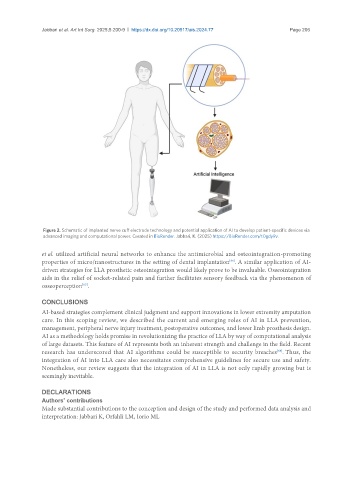
                Figure 2. Schematic of implanted nerve cuff electrode technology and potential application of AI to develop patient-specific devices via
                advanced imaging and computational power. Created in BioRender. Jabbari, K. (2025) https://BioRender.com/t0gdy9v.


               et al. utilized artificial neural networks to enhance the antimicrobial and osteointegration-promoting
               properties of micro/nanostructures in the setting of dental implantation . A similar application of AI-
                                                                              [66]
               driven strategies for LLA prosthetic osteointegration would likely prove to be invaluable. Osseointegration
               aids in the relief of socket-related pain and further facilitates sensory feedback via the phenomenon of
                             [65]
               osseoperception .

               CONCLUSIONS
               AI-based strategies complement clinical judgment and support innovations in lower extremity amputation
               care. In this scoping review, we described the current and emerging roles of AI in LLA prevention,
               management, peripheral nerve injury treatment, postoperative outcomes, and lower limb prosthesis design.
               AI as a methodology holds promise in revolutionizing the practice of LLA by way of computational analysis
               of large datasets. This feature of AI represents both an inherent strength and challenge in the field. Recent
                                                                                              [68]
               research has underscored that AI algorithms could be susceptible to security breaches . Thus, the
               integration of AI into LLA care also necessitates comprehensive guidelines for secure use and safety.
               Nonetheless, our review suggests that the integration of AI in LLA is not only rapidly growing but is
               seemingly inevitable.


               DECLARATIONS
               Authors’ contributions
               Made substantial contributions to the conception and design of the study and performed data analysis and
               interpretation: Jabbari K, Orfahli LM, Iorio ML

