


Page 75 - Read Online
P. 75
Page 18 of 23                             Du et al. Soft Sci 2024;4:35  https://dx.doi.org/10.20517/ss.2024.31


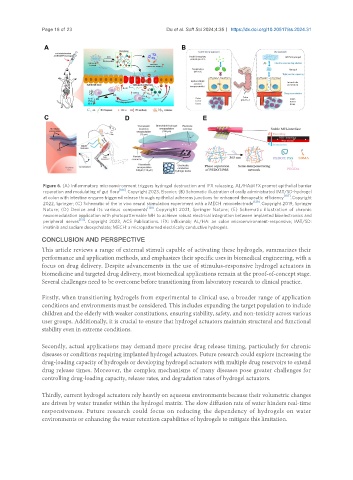
                Figure 6. (A) Inflammatory microenvironment triggers hydrogel destruction and IFX releasing. AL/HA@IFX promot epithelial barrier
                reparation and modulating of gut flora [106] . Copyright 2023, Elsevier; (B) Schematic illustration of orally administrated IMT/SD-hydrogel
                at colon with intestine enzyme triggered release through epithelial adherens junctions for enhanced therapeutic efficiency [107] . Copyright
                                                                                      [129]
                2022, Springer; (C) Schematic of the in vivo neural stimulation experiment with a MECH  microelectrode  . Copyright 2019, Springer
                                                   [130]
                Nature;  (D)  Device  and  its  various  components  . Copyright  2021,  Springer  Nature;  (E)  Schematic  illustration  of  chronic
                neuromodulation application with photopatternable MH to achieve robust electrical integration between implanted bioelectronics and
                            [131]
                peripheral  nerves  . Copyright  2023,  ACS  Publications.  IFX:  Infliximab;  AL/HA:  an  colon  microenvironment-responsive;  IMT/SD:
                imatinib and sodium deoxycholate; MECH: a micropatterned electrically conductive hydrogels.
               CONCLUSION AND PERSPECTIVE
               This article reviews a range of external stimuli capable of activating these hydrogels, summarizes their
               performance and application methods, and emphasizes their specific uses in biomedical engineering, with a
               focus on drug delivery. Despite advancements in the use of stimulus-responsive hydrogel actuators in
               biomedicine and targeted drug delivery, most biomedical applications remain at the proof-of-concept stage.
               Several challenges need to be overcome before transitioning from laboratory research to clinical practice.


               Firstly, when transitioning hydrogels from experimental to clinical use, a broader range of application
               conditions and environments must be considered. This includes expanding the target population to include
               children and the elderly with weaker constitutions, ensuring stability, safety, and non-toxicity across various
               user groups. Additionally, it is crucial to ensure that hydrogel actuators maintain structural and functional
               stability even in extreme conditions.


               Secondly, actual applications may demand more precise drug release timing, particularly for chronic
               diseases or conditions requiring implanted hydrogel actuators. Future research could explore increasing the
               drug-loading capacity of hydrogels or developing hydrogel actuators with multiple drug reservoirs to extend
               drug release times. Moreover, the complex mechanisms of many diseases pose greater challenges for
               controlling drug-loading capacity, release rates, and degradation rates of hydrogel actuators.

               Thirdly, current hydrogel actuators rely heavily on aqueous environments because their volumetric changes
               are driven by water transfer within the hydrogel matrix. The slow diffusion rate of water hinders real-time
               responsiveness. Future research could focus on reducing the dependency of hydrogels on water
               environments or enhancing the water retention capabilities of hydrogels to mitigate this limitation.

