


Page 111 - Read Online
P. 111
Page 4 of 20                                                   Kant et al. Plast Aesthet Res. 2026;13:4


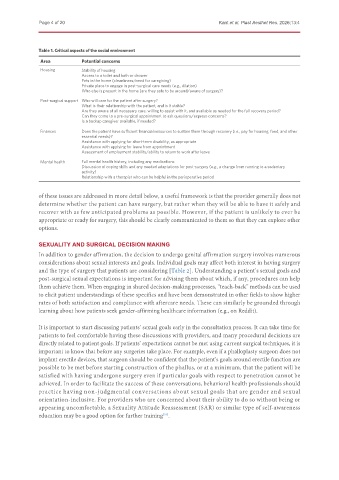
               Table 1. Critical aspects of the social environment

               Area           Potential concerns
               Housing        Stability of housing
                              Access to a toilet and bath or shower
                              Pets in the home (cleanliness/need for caregiving)
                              Private place to engage in post-surgical care needs (e.g., dilation)
                              Who else is present in the home (are they safe to be around/aware of surgery)?

               Post-surgical support Who will care for the patient after surgery?
                              What is their relationship with the patient, and is it stable?
                              Are they aware of all necessary care, willing to assist with it, and available as needed for the full recovery period?
                              Can they come to a pre-surgical appointment to ask questions/express concerns?
                              Is a backup caregiver available, if needed?
               Finances       Does the patient have sufficient financial resources to sustain them through recovery (i.e., pay for housing, food, and other
                              essential needs)?
                              Assistance with applying for short-term disability, as appropriate
                              Assistance with applying for leave from appointment
                              Assessment of employment stability/ability to return to work after leave
               Mental health  Full mental health history, including any medications
                              Discussion of coping skills and any needed adaptations for post-surgery (e.g., a change from running to a sedentary
                              activity)
                              Relationship with a therapist who can be helpful in the perioperative period


               of these issues are addressed in more detail below, a useful framework is that the provider generally does not
               determine whether the patient can have surgery, but rather when they will be able to have it safely and
               recover with as few anticipated problems as possible. However, if the patient is unlikely to ever be
               appropriate or ready for surgery, this should be clearly communicated to them so that they can explore other
               options.


               SEXUALITY AND SURGICAL DECISION MAKING
               In addition to gender affirmation, the decision to undergo genital affirmation surgery involves numerous
               considerations about sexual interests and goals. Individual goals may affect both interest in having surgery
               and the type of surgery that patients are considering [Table 2]. Understanding a patient’s sexual goals and
               post-surgical sexual expectations is important for advising them about which, if any, procedures can help
               them achieve them. When engaging in shared decision-making processes, “teach-back” methods can be used
               to elicit patient understandings of these specifics and have been demonstrated in other fields to show higher
               rates of both satisfaction and compliance with aftercare needs. These can similarly be grounded through
               learning about how patients seek gender-affirming healthcare information (e.g., on Reddit).


               It is important to start discussing patients’ sexual goals early in the consultation process. It can take time for
               patients to feel comfortable having these discussions with providers, and many procedural decisions are
               directly related to patient goals. If patients’ expectations cannot be met using current surgical techniques, it is
               important to know that before any surgeries take place. For example, even if a phalloplasty surgeon does not
               implant erectile devices, that surgeon should be confident that the patient’s goals around erectile function are
               possible to be met before starting construction of the phallus, or at a minimum, that the patient will be
               satisfied with having undergone surgery even if particular goals with respect to penetration cannot be
               achieved. In order to facilitate the success of these conversations, behavioral health professionals should
               practice having non-judgmental conversations about sexual goals that are gender and sexual
               orientation-inclusive. For providers who are concerned about their ability to do so without being or
               appearing uncomfortable, a Sexuality Attitude Reassessment (SAR) or similar type of self-awareness
               education may be a good option for further training .
                                                          [31]

