


Page 108 - Read Online
P. 108
Page 206                               Tutanov et al. Extracell Vesicles Circ Nucleic Acids 2023;4:195-217  https://dx.doi.org/10.20517/evcna.2023.17

               Table 2. Comparison of exosomes, exomeres, and supermeres
                Extracellular particle   Exosomes      Exomeres                   Supermeres
                type:
                Size            < 200 nm               ~ 35 nm                    ~ 25 nm
                Biogenesis      Endosomal origin       Unknown                    Unknown
                Abundant proteins  CD9, CD63, CD81, Alix, Syntenin-1 ENO1, GANAB  TGFβi, AGO2, ACE2, PCSK9
                GPI-APs         DPEP1, CD73, MELTF, CEACAM5,  DPEP1, CD73, CEACAM5, CEACAM6,   DPEP1, CD73, MELTF, CEACAM5,
                                SMPDL3B, PLAUR, CEACAM6,   CD59                   CEACAM6, CD59
                                CD55, CD59 FOLR1
                RNA content abundance ++               +                          +++
                RNA species abundance  rRNA, lncRNA    miRNA, snRNA               Enriched for snRNA, miRNA, yRNA
                in comparison to cells
                Lipid content   Lipid bilayer          little                     little
                Functional properties  Various functions, many reported   Transfer lactate and cetuximab   Transfer lactate and cetuximab
                                in previous reviews    resistance, liver effects, tumor growth by  resistance, Crossing the blood-brain
                                                       AREG transfer, transfers ST6Gal-I  barrier, liver effects

                                                                     [2,3,12-14,170]
               Table 2 shows distinguishing characteristics among EVs and nanoparticle  subsets  . GPI-AP data curated from recent supermere
               publication [13] . Of the 140 GPI-APs recognized by Uniprot, 10 were identified by proteomics in extracellular fractions isolated from DiFi cells [13] .


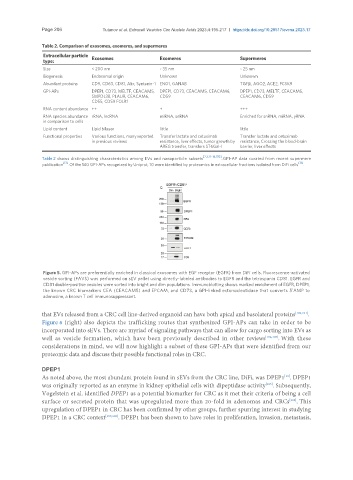
                Figure 5. GPI-APs are preferentially enriched in classical exosomes with EGF receptor (EGFR) from DiFi cells. Fluorescence-activated
                vesicle sorting (FAVS) was performed on sEV pellet using directly-labeled antibodies to EGFR and the tetraspanin CD81. EGFR and
                CD81 double-positive vesicles were sorted into bright and dim populations. Immunoblotting shows marked enrichment of EGFR, DPEP1,
                the known CRC biomarkers CEA (CEACAM5) and EPCAM, and CD73, a GPI-linked ectonucleotidase that converts 5’AMP to
                adenosine, a known T cell immunosuppressant.

               that EVs released from a CRC cell line-derived organoid can have both apical and basolateral proteins [100,101] .
               Figure 6 (right) also depicts the trafficking routes that synthesized GPI-APs can take in order to be
               incorporated into sEVs. There are myriad of signaling pathways that can allow for cargo sorting into EVs as
               well as vesicle formation, which have been previously described in other reviews [102,103] . With these
               considerations in mind, we will now highlight a subset of these GPI-APs that were identified from our
               proteomic data and discuss their possible functional roles in CRC.

               DPEP1
                                                                                                 [13]
               As noted above, the most abundant protein found in sEVs from the CRC line, DiFi, was DPEP1 . DPEP1
               was originally reported as an enzyme in kidney epithelial cells with dipeptidase activity . Subsequently,
                                                                                           [105]
               Vogelstein et al. identified DPEP1 as a potential biomarker for CRC as it met their criteria of being a cell
                                                                                                   [106]
               surface or secreted protein that was upregulated more than 20-fold in adenomas and CRCs . This
               upregulation of DPEP1 in CRC has been confirmed by other groups, further spurring interest in studying
               DPEP1 in a CRC context [107,108] . DPEP1 has been shown to have roles in proliferation, invasion, metastasis,

