


Page 42 - Read Online
P. 42
Page 24 of 31             Miao et al. Energy Mater 2023;3:300014  https://dx.doi.org/10.20517/energymater.2022.89


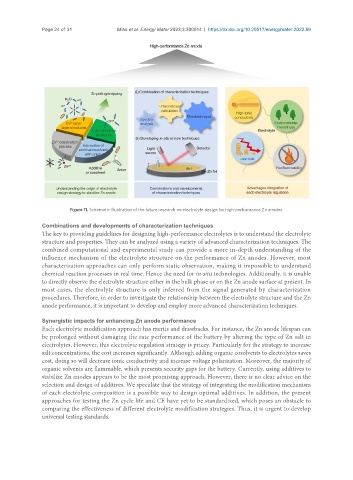
                         Figure 11. Schematic illustration of the future research on electrolyte design for high-performance Zn anodes.

               Combinations and developments of characterization techniques
               The key to providing guidelines for designing high-performance electrolytes is to understand the electrolyte
               structure and properties. They can be analyzed using a variety of advanced characterization techniques. The
               combined computational and experimental study can provide a more in-depth understanding of the
               influence mechanism of the electrolyte structure on the performance of Zn anodes. However, most
               characterization approaches can only perform static observation, making it impossible to understand
               chemical reaction processes in real time. Hence the need for in-situ technologies. Additionally, it is unable
               to directly observe the electrolyte structure either in the bulk phase or on the Zn anode surface at present. In
               most cases, the electrolyte structure is only inferred from the signal generated by characterization
               procedures. Therefore, in order to investigate the relationship between the electrolyte structure and the Zn
               anode performance, it is important to develop and employ more advanced characterization techniques.

               Synergistic impacts for enhancing Zn anode performance
               Each electrolyte modification approach has merits and drawbacks. For instance, the Zn anode lifespan can
               be prolonged without damaging the rate performance of the battery by altering the type of Zn salt in
               electrolytes. However, this electrolyte regulation strategy is pricey. Particularly for the strategy to increase
               salt concentrations, the cost increases significantly. Although adding organic cosolvents to electrolytes saves
               cost, doing so will decrease ionic conductivity and increase voltage polarization. Moreover, the majority of
               organic solvents are flammable, which presents security gaps for the battery. Currently, using additives to
               stabilize Zn anodes appears to be the most promising approach. However, there is no clear advice on the
               selection and design of additives. We speculate that the strategy of integrating the modification mechanism
               of each electrolyte composition is a possible way to design optimal additives. In addition, the present
               approaches for testing the Zn cycle life and CE have yet to be standardized, which poses an obstacle to
               comparing the effectiveness of different electrolyte modification strategies. Thus, it is urgent to develop
               universal testing standards.

