


Page 22 - Read Online
P. 22
Page 4 of 17                      Zhen et al. Carbon Footprints 2024;3:7  https://dx.doi.org/10.20517/cf.2023.50


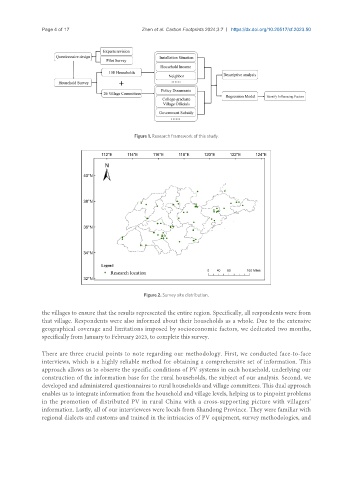
                                              Figure 1. Research framework of this study.


                                                  Figure 2. Survey site distribution.

               the villages to ensure that the results represented the entire region. Specifically, all respondents were from
               that village. Respondents were also informed about their households as a whole. Due to the extensive
               geographical coverage and limitations imposed by socioeconomic factors, we dedicated two months,
               specifically from January to February 2023, to complete this survey.


               There are three crucial points to note regarding our methodology. First, we conducted face-to-face
               interviews, which is a highly reliable method for obtaining a comprehensive set of information. This
               approach allows us to observe the specific conditions of PV systems in each household, underlying our
               construction of the information base for the rural households, the subject of our analysis. Second, we
               developed and administered questionnaires to rural households and village committees. This dual approach
               enables us to integrate information from the household and village levels, helping us to pinpoint problems
               in the promotion of distributed PV in rural China with a cross-supporting picture with villagers’
               information. Lastly, all of our interviewees were locals from Shandong Province. They were familiar with
               regional dialects and customs and trained in the intricacies of PV equipment, survey methodologies, and

