


Page 12 - Read Online
P. 12
Page 6 of           Ciardullo et al. Metab Target Organ Damage 2024;4:30  https://dx.doi.org/10.20517/mtod.2024.39


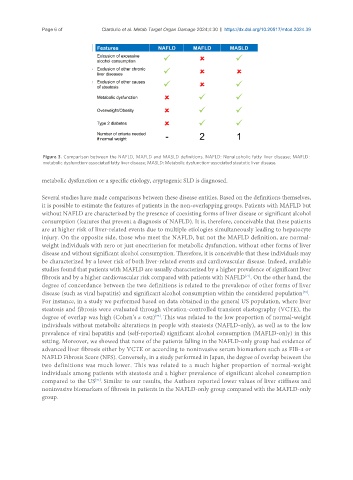
                Figure 3. Comparison between the NAFLD, MAFLD and MASLD definitions. NAFLD: Nonalcoholic fatty liver disease; MAFLD:
                metabolic dysfunction-associated fatty liver disease; MASLD: Metabolic dysfunction-associated steatotic liver disease.

               metabolic dysfunction or a specific etiology, cryptogenic SLD is diagnosed.


               Several studies have made comparisons between these disease entities. Based on the definitions themselves,
               it is possible to estimate the features of patients in the non-overlapping groups. Patients with MAFLD but
               without NAFLD are characterized by the presence of coexisting forms of liver disease or significant alcohol
               consumption (features that prevent a diagnosis of NAFLD). It is, therefore, conceivable that these patients
               are at higher risk of liver-related events due to multiple etiologies simultaneously leading to hepatocyte
               injury. On the opposite side, those who meet the NAFLD, but not the MAFLD definition, are normal-
               weight individuals with zero or just onecriterion for metabolic dysfunction, without other forms of liver
               disease and without significant alcohol consumption. Therefore, it is conceivable that these individuals may
               be characterized by a lower risk of both liver-related events and cardiovascular disease. Indeed, available
               studies found that patients with MAFLD are usually characterized by a higher prevalence of significant liver
               fibrosis and by a higher cardiovascular risk compared with patients with NAFLD . On the other hand, the
                                                                                    [71]
               degree of concordance between the two definitions is related to the prevalence of other forms of liver
               disease (such as viral hepatitis) and significant alcohol consumption within the considered population .
                                                                                                       [72]
               For instance, in a study we performed based on data obtained in the general US population, where liver
               steatosis and fibrosis were evaluated through vibration-controlled transient elastography (VCTE), the
               degree of overlap was high (Cohen’s κ 0.92) . This was related to the low proportion of normal-weight
                                                     [73]
               individuals without metabolic alterations in people with steatosis (NAFLD-only), as well as to the low
               prevalence of viral hepatitis and (self-reported) significant alcohol consumption (MAFLD-only) in this
               setting. Moreover, we showed that none of the patients falling in the NAFLD-only group had evidence of
               advanced liver fibrosis either by VCTE or according to noninvasive serum biomarkers such as FIB-4 or
               NAFLD Fibrosis Score (NFS). Conversely, in a study performed in Japan, the degree of overlap between the
               two definitions was much lower. This was related to a much higher proportion of normal-weight
               individuals among patients with steatosis and a higher prevalence of significant alcohol consumption
                                 [71]
               compared to the US . Similar to our results, the Authors reported lower values of liver stiffness and
               noninvasive biomarkers of fibrosis in patients in the NAFLD-only group compared with the MAFLD-only
               group.

