


Page 149 - Read Online
P. 149
Sharma et al. Microbiome Res Rep 2024;3:3  https://dx.doi.org/10.20517/mrr.2023.51  Page 9 of 17


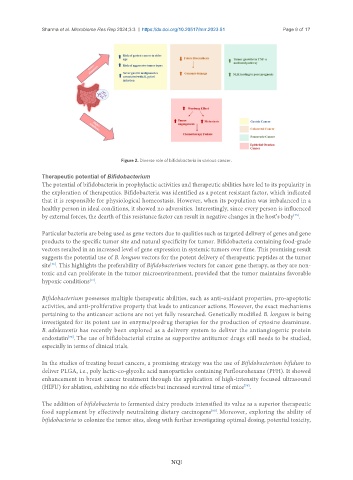
                                          Figure 2. Diverse role of bifidobacteria in various cancer.


               Therapeutic potential of Bifidobacterium
               The potential of bifidobacteria in prophylactic activities and therapeutic abilities have led to its popularity in
               the exploration of therapeutics. Bifidobacteria was identified as a potent resistant factor, which indicated
               that it is responsible for physiological homeostasis. However, when its population was imbalanced in a
               healthy person in ideal conditions, it showed no adversities. Interestingly, since every person is influenced
                                                                                                    [75]
               by external forces, the dearth of this resistance factor can result in negative changes in the host’s body .
               Particular bacteria are being used as gene vectors due to qualities such as targeted delivery of genes and gene
               products to the specific tumor site and natural specificity for tumor. Bifidobacteria containing food-grade
               vectors resulted in an increased level of gene expression in systemic tumors over time. This promising result
               suggests the potential use of B. longum vectors for the potent delivery of therapeutic peptides at the tumor
                  [76]
               site . This highlights the preferability of Bifidobacterium vectors for cancer gene therapy, as they are non-
               toxic and can proliferate in the tumor microenvironment, provided that the tumor maintains favorable
               hypoxic conditions .
                               [77]

               Bifidobacterium possesses multiple therapeutic abilities, such as anti-oxidant properties, pro-apoptotic
               activities, and anti-proliferative property that leads to anticancer actions. However, the exact mechanisms
               pertaining to the anticancer actions are not yet fully researched. Genetically modified B. longum is being
               investigated for its potent use in enzyme/prodrug therapies for the production of cytosine deaminase.
               B. adolescentis has recently been explored as a delivery system to deliver the antiangiogenic protein
                        [78]
               endostatin . The use of bifidobacterial strains as supportive antitumor drugs still needs to be studied,
               especially in terms of clinical trials.


               In the studies of treating breast cancers, a promising strategy was the use of Bifidobacterium bifidum to
               deliver PLGA, i.e., poly lactic-co-glycolic acid nanoparticles containing Perflourohexane (PFH). It showed
               enhancement in breast cancer treatment through the application of high-intensity focused ultrasound
                                                                                   [79]
               (HIFU) for ablation, exhibiting no side effects but increased survival time of mice .
               The addition of bifidobacteria to fermented dairy products intensified its value as a superior therapeutic
                                                                        [80]
               food supplement by effectively neutralizing dietary carcinogens . Moreover, exploring the ability of
               bifidobacteria to colonize the tumor sites, along with further investigating optimal dosing, potential toxicity,

