


Page 72 - Read Online
P. 72
Page 2 of 8                  Bilancini et al. Vessel Plus 2021;5:39  https://dx.doi.org/10.20517/2574-1209.2021.14


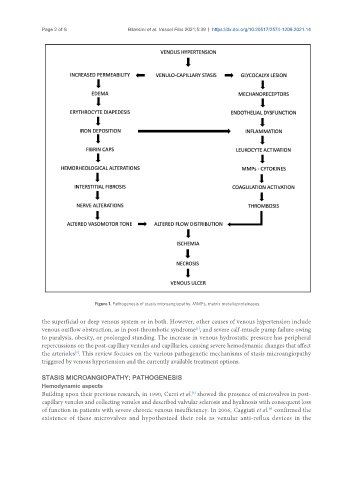
                                 Figure 1. Pathogenesis of stasis microangiopathy. MMPs, matrix metalloproteinases.

               the superficial or deep venous system or in both. However, other causes of venous hypertension include
               venous outflow obstruction, as in post-thrombotic syndrome , and severe calf-muscle pump failure owing
                                                                   [1]
               to paralysis, obesity, or prolonged standing. The increase in venous hydrostatic pressure has peripheral
               repercussions on the post-capillary venules and capillaries, causing severe hemodynamic changes that affect
                          [2]
               the arterioles . This review focuses on the various pathogenetic mechanisms of stasis microangiopathy
               triggered by venous hypertension and the currently available treatment options.

               STASIS MICROANGIOPATHY: PATHOGENESIS
               Hemodynamic aspects
               Building upon their previous research, in 1990, Curri et al.  showed the presence of microvalves in post-
                                                                  [3]
               capillary venules and collecting venules and described valvular sclerosis and hyalinosis with consequent loss
               of function in patients with severe chronic venous insufficiency. In 2006, Caggiati et al.  confirmed the
                                                                                            [4]
               existence of these microvalves and hypothesized their role as venular anti-reflux devices in the

