


Page 44 - Read Online
P. 44
Page 10 of 17          Nasr et al. Metab Target Organ Damage 2023;3:19  https://dx.doi.org/10.20517/mtod.2023.20


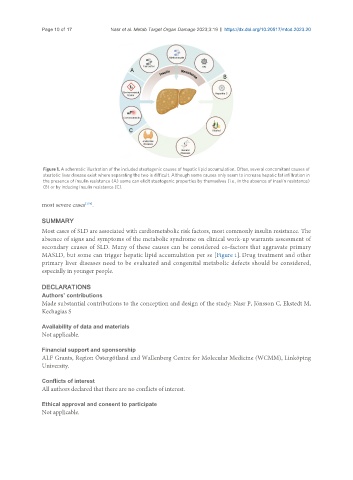
                Figure 1. A schematic illustration of the included steatogenic causes of hepatic lipid accumulation. Often, several concomitant causes of
                steatotic liver disease exist where separating the two is difficult. Although some causes only seem to increase hepatic fat infiltration in
                the presence of insulin resistance (A) some can elicit steatogenic properties by themselves (i.e., in the absence of insulin resistance)
                (B) or by inducing insulin resistance (C).

               most severe cases .
                              [178]

               SUMMARY
               Most cases of SLD are associated with cardiometabolic risk factors, most commonly insulin resistance. The
               absence of signs and symptoms of the metabolic syndrome on clinical work-up warrants assessment of
               secondary causes of SLD. Many of these causes can be considered co-factors that aggravate primary
               MASLD, but some can trigger hepatic lipid accumulation per se [Figure 1]. Drug treatment and other
               primary liver diseases need to be evaluated and congenital metabolic defects should be considered,
               especially in younger people.


               DECLARATIONS
               Authors’ contributions
               Made substantial contributions to the conception and design of the study: Nasr P, Jönsson C, Ekstedt M,
               Kechagias S

               Availability of data and materials
               Not applicable.

               Financial support and sponsorship
               ALF Grants, Region Östergötland and Wallenberg Centre for Molecular Medicine (WCMM), Linköping
               University.


               Conflicts of interest
               All authors declared that there are no conflicts of interest.


               Ethical approval and consent to participate
               Not applicable.

