


Page 72 - Read Online
P. 72
Misera et al. Microbiome Res Rep 2024;3:48  https://dx.doi.org/10.20517/mrr.2023.81  Page 5 of 19


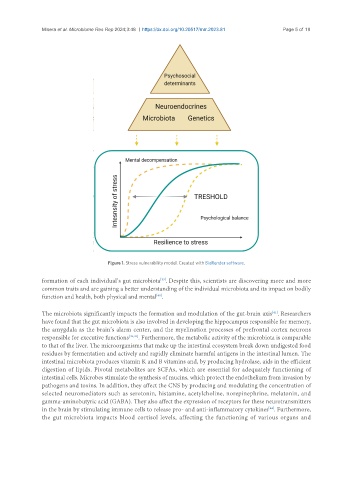
                                     Figure 1. Stress vulnerability model. Created with BioRender software.

                                                       [39]
               formation of each individual’s gut microbiota . Despite this, scientists are discovering more and more
               common traits and are gaining a better understanding of the individual microbiota and its impact on bodily
               function and health, both physical and mental .
                                                      [40]
               The microbiota significantly impacts the formation and modulation of the gut-brain axis . Researchers
                                                                                             [41]
               have found that the gut microbiota is also involved in developing the hippocampus responsible for memory,
               the amygdala as the brain’s alarm center, and the myelination processes of prefrontal cortex neurons
               responsible for executive functions [42,43] . Furthermore, the metabolic activity of the microbiota is comparable
               to that of the liver. The microorganisms that make up the intestinal ecosystem break down undigested food
               residues by fermentation and actively and rapidly eliminate harmful antigens in the intestinal lumen. The
               intestinal microbiota produces vitamin K and B vitamins and, by producing hydrolase, aids in the efficient
               digestion of lipids. Pivotal metabolites are SCFAs, which are essential for adequately functioning of
               intestinal cells. Microbes stimulate the synthesis of mucins, which protect the endothelium from invasion by
               pathogens and toxins. In addition, they affect the CNS by producing and modulating the concentration of
               selected neuromediators such as serotonin, histamine, acetylcholine, norepinephrine, melatonin, and
               gamma-aminobutyric acid (GABA). They also affect the expression of receptors for these neurotransmitters
                                                                                            [44]
               in the brain by stimulating immune cells to release pro- and anti-inflammatory cytokines . Furthermore,
               the gut microbiota impacts blood cortisol levels, affecting the functioning of various organs and

