


Page 10 - Read Online
P. 10
Page 448           Aledo-Serrano et al. J Transl Genet Genom 2021;5:443-55  https://dx.doi.org/10.20517/jtgg.2021.40


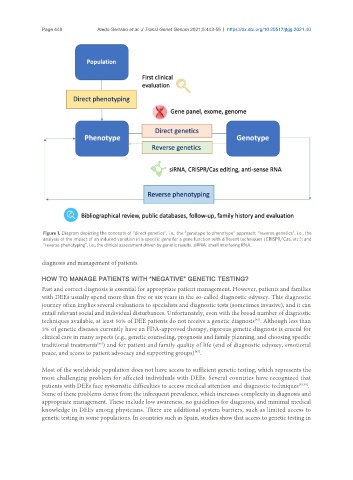
                Figure 1. Diagram depicting the concepts of “direct genetics”, i.e., the “genotype to phenotype” approach; “reverse genetics”, i.e., the
                analysis of the impact of an induced variation in a specific gene for a gene function with different techniques (CRISPR/Cas, etc.); and
                “reverse phenotyping”, i.e., the clinical assessment driven by genetic results. siRNA: small interfering RNA.

               diagnosis and management of patients.


               HOW TO MANAGE PATIENTS WITH “NEGATIVE” GENETIC TESTING?
               Fast and correct diagnosis is essential for appropriate patient management. However, patients and families
               with DEEs usually spend more than five or six years in the so-called diagnostic odyssey. This diagnostic
               journey often implies several evaluations to specialists and diagnostic tests (sometimes invasive), and it can
               entail relevant social and individual disturbances. Unfortunately, even with the broad number of diagnostic
                                                                                       [45]
               techniques available, at least 50% of DEE patients do not receive a genetic diagnosis . Although less than
               3% of genetic diseases currently have an FDA-approved therapy, rigorous genetic diagnosis is crucial for
               clinical care in many aspects (e.g., genetic counseling, prognosis and family planning, and choosing specific
               traditional treatments ) and for patient and family quality of life (end of diagnostic odyssey, emotional
                                  [46]
               peace, and access to patient advocacy and supporting groups) .
                                                                   [47]
               Most of the worldwide population does not have access to sufficient genetic testing, which represents the
               most challenging problem for affected individuals with DEEs. Several countries have recognized that
               patients with DEEs face systematic difficulties to access medical attention and diagnostic techniques [48,49] .
               Some of these problems derive from the infrequent prevalence, which increases complexity in diagnosis and
               appropriate management. These include low awareness, no guidelines for diagnosis, and minimal medical
               knowledge in DEEs among physicians. There are additional system barriers, such as limited access to
               genetic testing in some populations. In countries such as Spain, studies show that access to genetic testing in

