


Page 60 - Read Online
P. 60
Page 6 of 15                                                      Li et al. Hepatoma Res. 2026;12:36


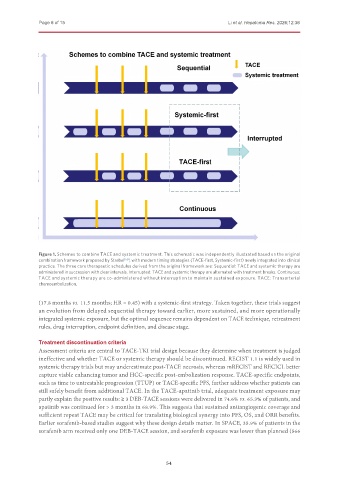
               Figure 1. Schemes to combine TACE and systemic treatment. This schematic was independently illustrated based on the original
               combination framework proposed by Strebel  [50] , with modern timing strategies (TACE-first, Systemic-first) newly integrated into clinical
               practice. The three core therapeutic schedules derived from the original framework are: Sequential: TACE and systemic therapy are
               administered in succession with clear intervals. Interrupted: TACE and systemic therapy are alternated with treatment breaks. Continuous:
               TACE and systemic therapy are co-administered without interruption to maintain sustained exposure. TACE: Transarterial
               chemoembolization.

               (17.8 months vs. 11.5 months; HR = 0.45) with a systemic-first strategy. Taken together, these trials suggest
               an evolution from delayed sequential therapy toward earlier, more sustained, and more operationally
               integrated systemic exposure, but the optimal sequence remains dependent on TACE technique, retreatment
               rules, drug interruption, endpoint definition, and disease stage.


               Treatment discontinuation criteria
               Assessment criteria are central to TACE-TKI trial design because they determine when treatment is judged
               ineffective and whether TACE or systemic therapy should be discontinued. RECIST 1.1 is widely used in
               systemic therapy trials but may underestimate post-TACE necrosis, whereas mRECIST and RECICL better
               capture viable enhancing tumor and HCC-specific post-embolization response. TACE-specific endpoints,
               such as time to untreatable progression (TTUP) or TACE-specific PFS, further address whether patients can
               still safely benefit from additional TACE. In the TACE-apatinib trial, adequate treatment exposure may
               partly explain the positive results: ≥ 3 DEB-TACE sessions were delivered in 74.6% vs. 65.3% of patients, and
               apatinib was continued for > 3 months in 68.9%. This suggests that sustained antiangiogenic coverage and
               sufficient repeat TACE may be critical for translating biological synergy into PFS, OS, and ORR benefits.
               Earlier sorafenib-based studies suggest why these design details matter. In SPACE, 35.9% of patients in the
               sorafenib arm received only one DEB-TACE session, and sorafenib exposure was lower than planned (566

